The 3D preview couldn’t load. The layer controls still show each part of the experience.
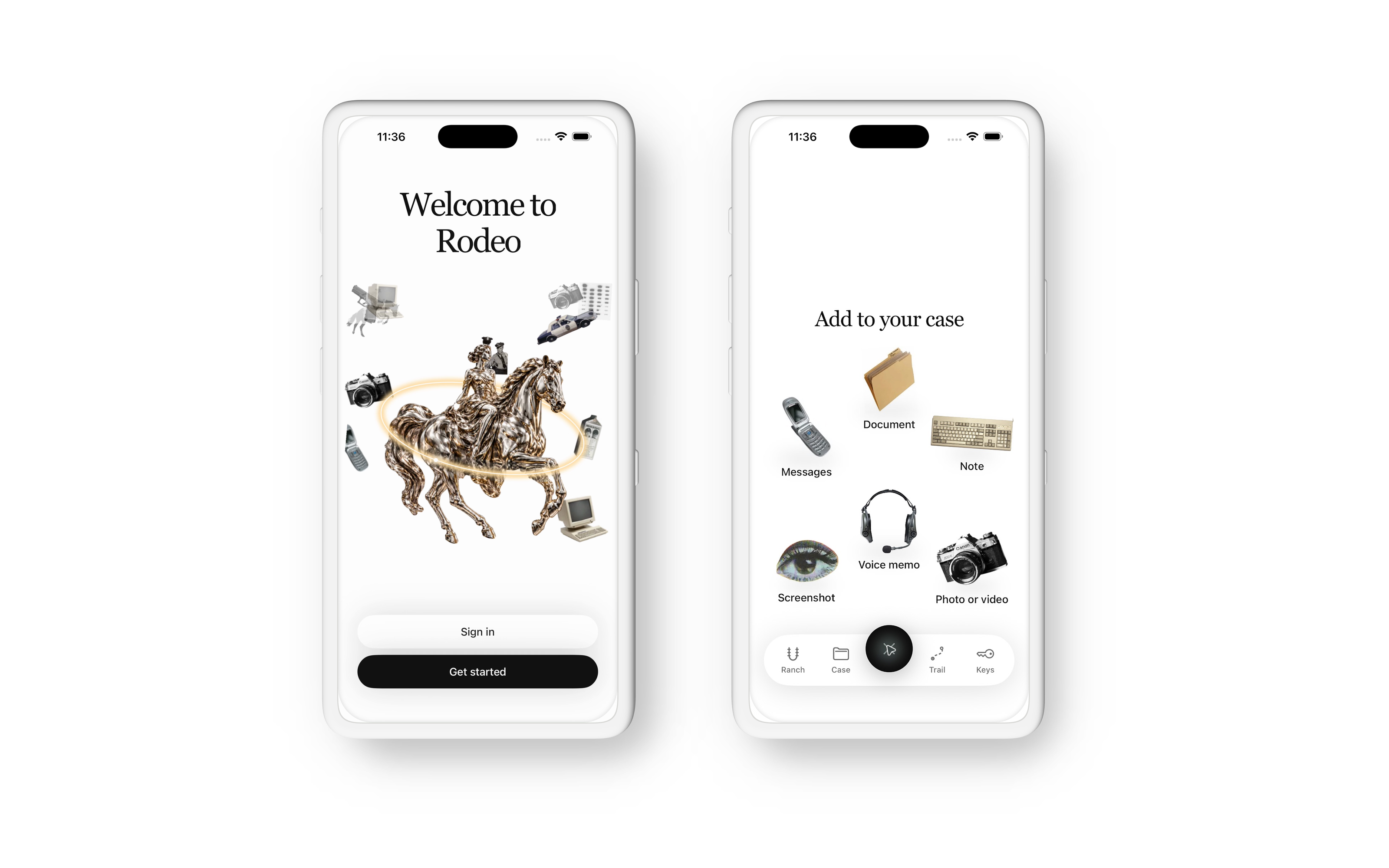
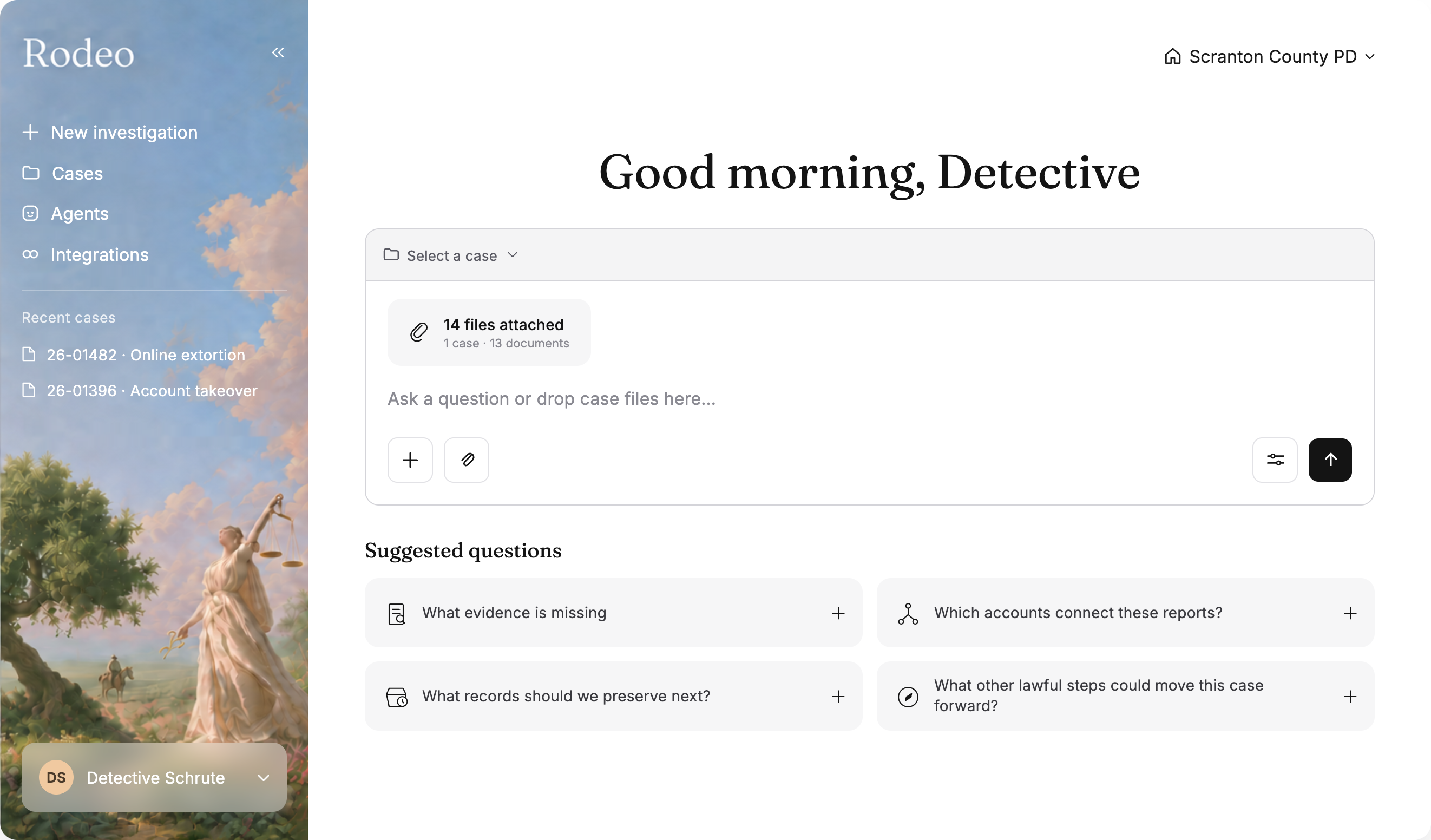
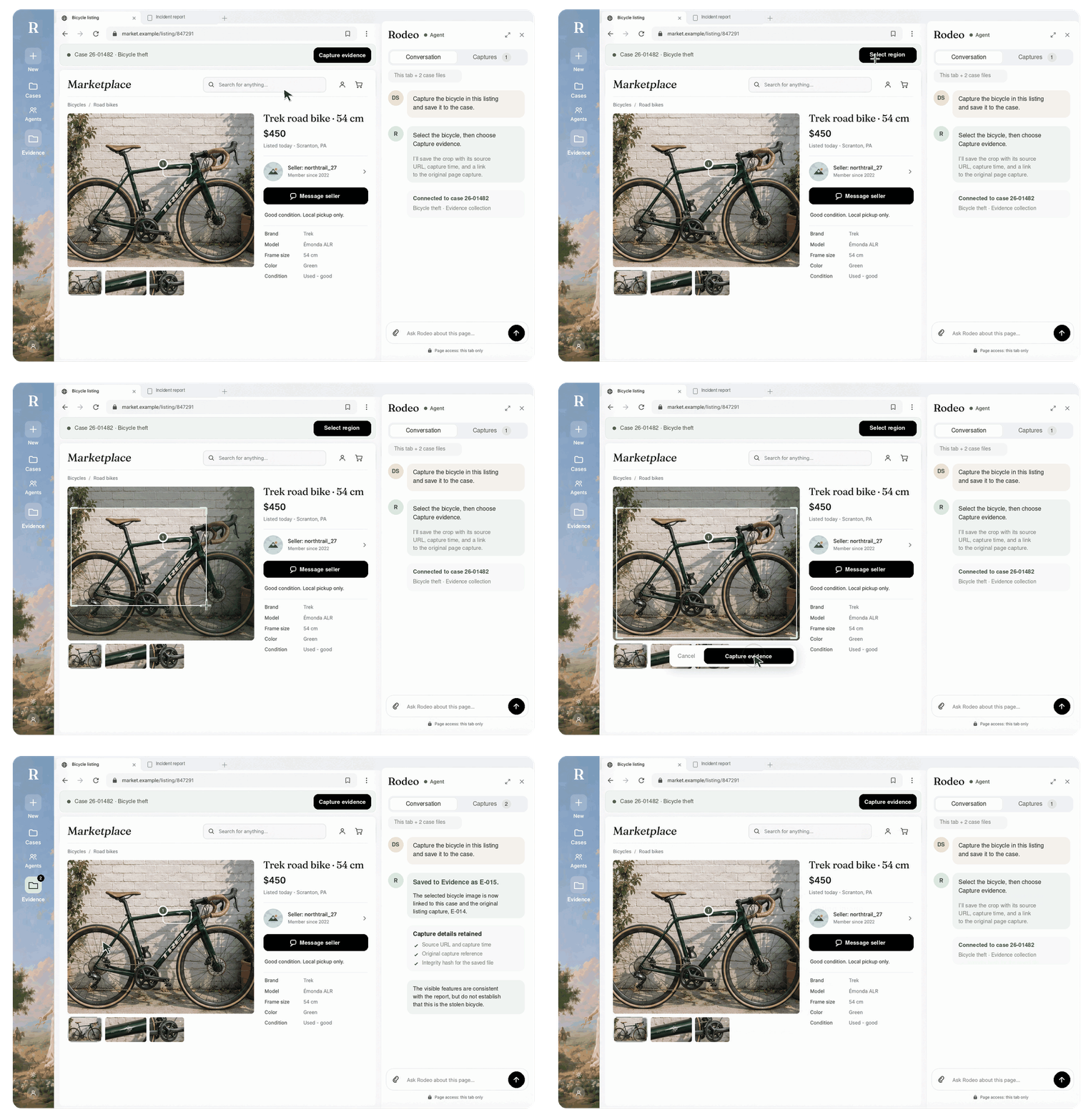
An angled phone displays a fictional non-consensual images case and separates into the civilian app, distributed agents, legal harness and detective workspace. The floating cards illustrate permission, scope, possible connections and follow-up questions. Use the numbered controls or select a layer to inspect it. The horses rest, graze and take a few small steps when their layer is open. The switches and responses are local mock interactions; they do not connect accounts, submit evidence or establish legal authority.
Available on desktop and mobile
Drag to rotate · Double-click to reset
Work with sensitive evidence locally.
Designed for ICAC task forces and investigative teams handling highly sensitive digital evidence
Bring investigative AI to your region.
Host agencies can extend access to authorized investigators at partner departments
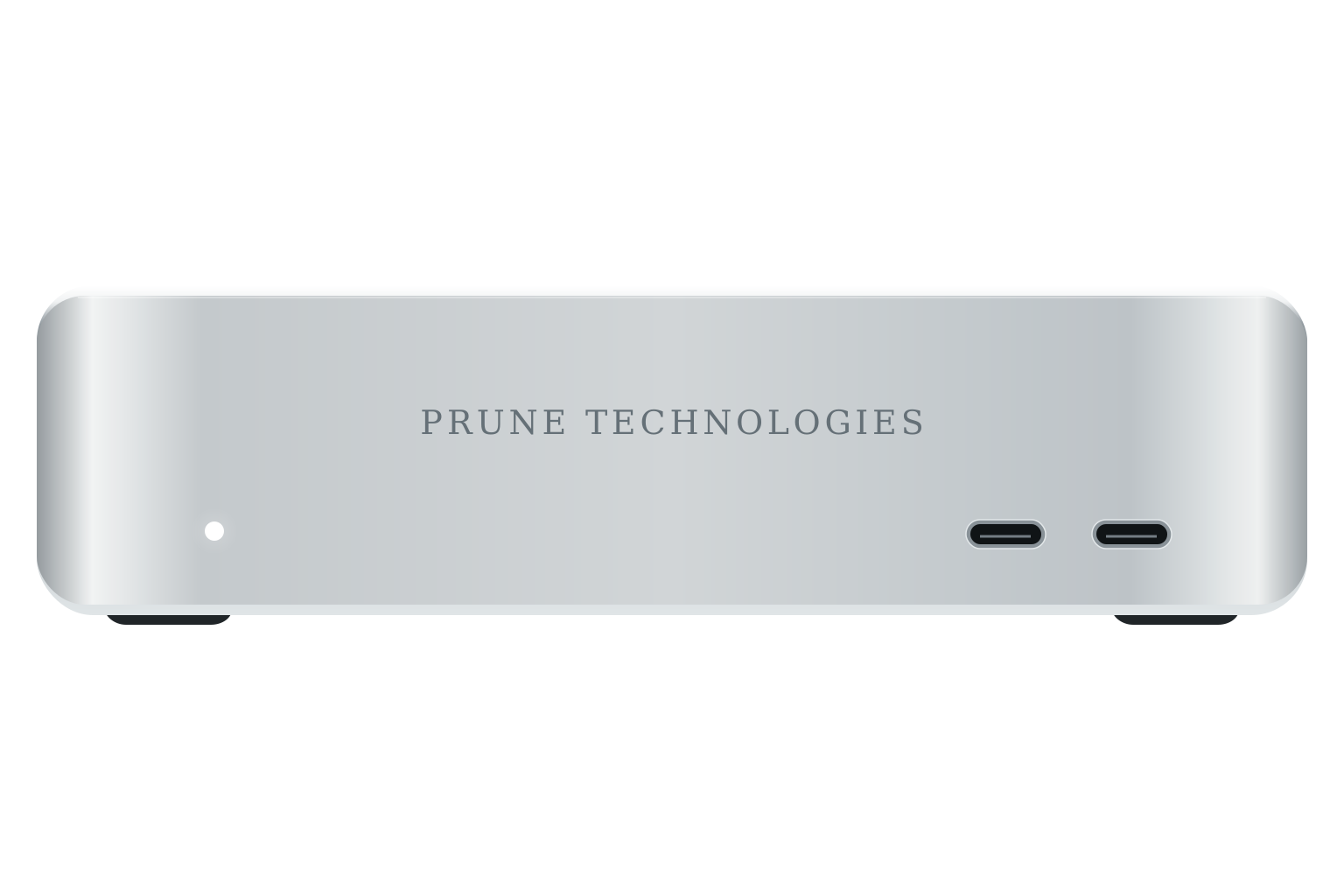
Dedicated computing for demanding casework.
Powered by NVIDIA’s GB10 Grace Blackwell processor, 128GB of unified memory, a 4TB NVMe SSD and 10-gigabit Ethernet
Our harness turns the law into the agent’s to-do list
The law, as written
“A governmental entity may require a provider to disclose the contents of a user’s account only pursuant to a warrant issued by a court of competent jurisdiction…”
18 U.S.C. § 2703(a), roughly one of 400 paragraphs that govern a single NCII case in California.
Compiled into checks
Met: Case is in California
Met: Investigation is open and authorized
Met: Account and date range are specific
Pending: Account is linked to the crime
Pending: Probable cause is established
Pending: A judge has signed
3 of 6 · Get the account contents
So the agent does this today
Crime modules
Select the modules you’re interested in.
Choose one or more.
We partner with
The National Center for Victims of Internet & Cyber Exploitation (NCVIC)
A clearinghouse for internet crimes serving victims of trafficking, child exploitation and technology-facilitated abuse